Cultural nuances in gambling How different societies play the odds
Understanding Gambling Across Cultures
Gambling is a multifaceted activity, shaped by cultural beliefs and traditions that dictate how societies engage with games of chance. In some cultures, gambling is seen as an integral part of social interaction, while in others, it is considered taboo. For instance, in many Asian societies, gambling is often associated with family gatherings and festivals, creating a communal experience that strengthens social bonds. Conversely, in regions where gambling is frowned upon, such as parts of the Middle East, engagement in such activities may lead to social ostracism. Many enthusiasts find platforms like odin fortune to engage with an array of games that celebrate such communal ties.
Cultural perceptions of luck and fate also play a significant role in how people gamble. In Western cultures, luck is often personified, leading to the belief that some individuals are naturally lucky or unlucky. On the other hand, many Eastern philosophies view luck as something that can be influenced through rituals or practices, which can alter the odds in one’s favor. This divergence in belief systems impacts how players approach games, strategies, and ultimately their willingness to take risks.
Moreover, the history of gambling in a particular region influences current practices. For example, in countries like Italy and France, casino culture is deeply embedded in their history, reflected in their unique game offerings and the sophistication of their gaming establishments. Understanding these historical contexts provides a framework for comprehending the contemporary landscape of gambling and its cultural implications around the world.
Regulations and Responsible Gambling
The regulation of gambling varies widely, often influenced by societal values and historical contexts. In countries like the United Kingdom, gambling is heavily regulated, with strict guidelines to promote responsible gaming and protect vulnerable populations. The UK Gambling Commission oversees operations to ensure fair play and provide resources for responsible gambling, highlighting a commitment to player safety. This kind of regulation creates a more secure environment for players, encouraging transparency and fostering trust within the gambling community.
In contrast, some societies have minimal regulation, leading to unregulated gambling environments that can pose risks to players. For instance, underground gambling rings in various parts of the world thrive due to a lack of oversight, often leading to exploitation and addiction. In these contexts, responsible gambling initiatives are crucial, although they may not always be enforced. Without a regulatory framework, players can find themselves in precarious situations, underscoring the need for societal conversations around the importance of gambling awareness and education.
Responsible gambling is a shared responsibility among operators, regulators, and players. Many countries are beginning to adopt a more inclusive approach, implementing programs that educate players about risks and providing resources for those who may struggle with gambling addiction. This evolution shows a growing recognition of the importance of creating a sustainable gambling culture that balances entertainment with accountability.
Social Impacts of Gambling
The social implications of gambling vary significantly across different cultures, influencing not only individual players but entire communities. In certain cultures, gambling can serve as a catalyst for economic growth, particularly in areas where casinos and gaming resorts create jobs and attract tourism. For example, Las Vegas is often cited as a prime example where gambling has transformed the local economy, turning it into a global entertainment hub.
However, this economic impact comes with its own set of challenges. In communities where gambling is prevalent, issues such as addiction and financial instability can emerge. Many cultures prioritize community well-being, leading to initiatives aimed at mitigating these risks through awareness campaigns and support networks. The balance between economic benefits and social costs is a critical discussion that many societies are currently facing, reflecting the complex relationship between gambling and community welfare.
Additionally, gambling can create divisions within societies. In some cultures, the practice may be associated with a certain social class, leading to stigmatization of those who gamble and fostering a perception that gambling is an activity for the wealthy. This stratification can lead to societal tensions, especially when discussions around responsible gambling and its associated risks arise. The need for inclusivity and broader conversations about gambling’s role in society is crucial for fostering understanding and cohesion among diverse groups.
Cultural Games and Betting Traditions
Different societies have their own unique games and betting traditions, reflecting cultural values and communal practices. For example, in many Indigenous cultures, traditional games of chance may be played during significant ceremonies or gatherings, which serve not only as entertainment but also as a means of storytelling and preserving heritage. These games often involve intricate rules that are passed down through generations, showcasing a deep connection between gambling and cultural identity.
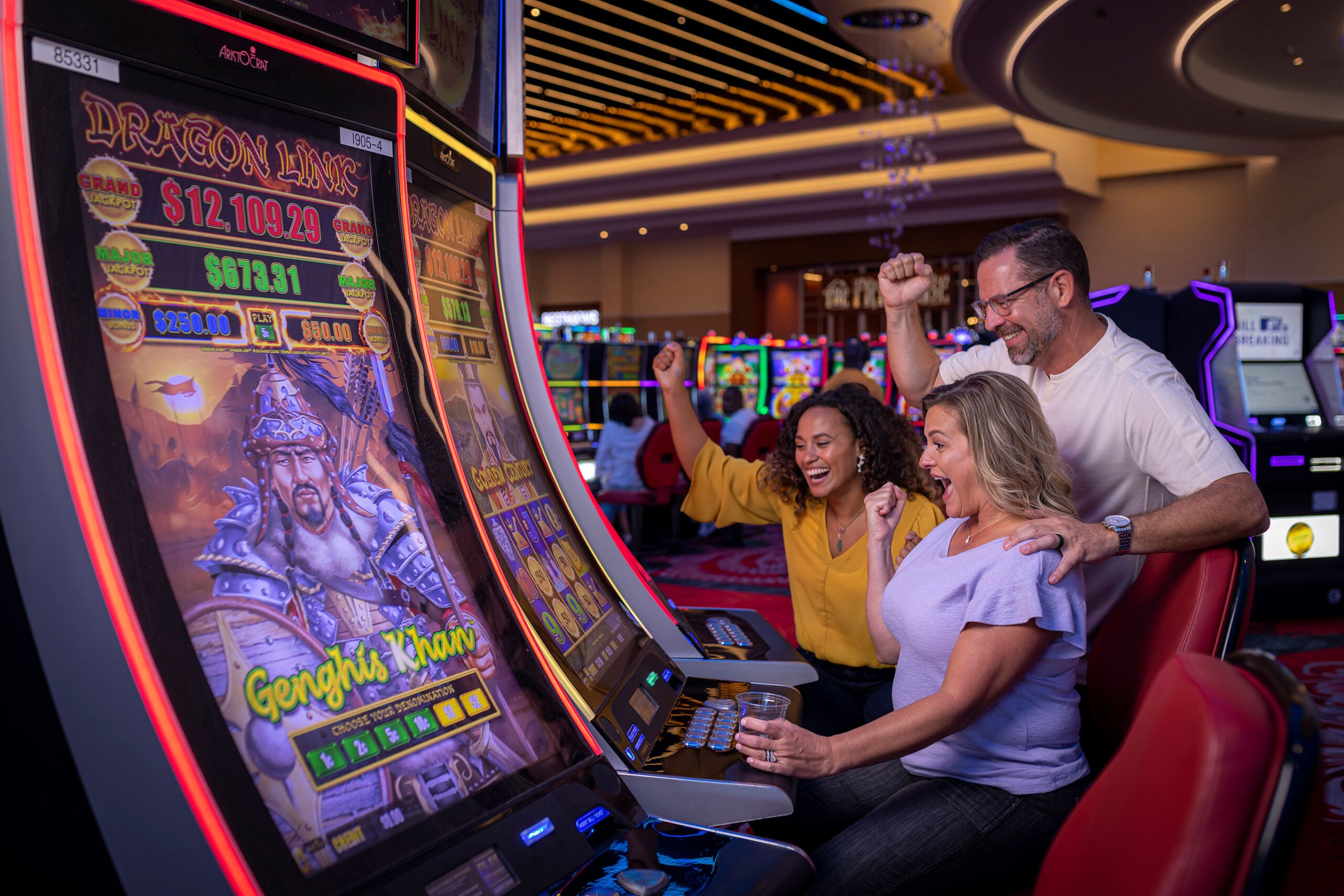
In contrast, Western cultures often gravitate towards more standardized forms of gambling, such as poker and slot machines, which are designed for mass appeal. These games prioritize speed and excitement, reflecting societal values of immediacy and instant gratification. The globalization of gambling has led to the introduction of traditional games from one culture into another, creating hybrid gaming experiences that continue to evolve and adapt to modern preferences.
This intermingling of gaming cultures can lead to fascinating cultural exchanges, but it also raises questions about authenticity and appropriation. As new games emerge, the challenge becomes preserving the essence of traditional practices while adapting to contemporary gaming trends. Understanding and appreciating these cultural nuances are essential for players who seek to engage meaningfully with the global gambling community.
Odin Fortune Casino: A Contemporary Perspective
Odin Fortune Casino exemplifies a modern approach to online gaming, incorporating cultural nuances while promoting responsible gambling practices. With a Scandinavian theme and a wide array of games, including slots and table games, it offers an immersive experience that caters to diverse player preferences. The platform emphasizes transparency and security, providing players with a reliable environment for enjoying their favorite games.
In addition to its extensive game selection, Odin Fortune Casino prioritizes responsible gaming by offering resources for players to manage their gambling habits. By promoting awareness and providing support for responsible gambling, the platform aligns itself with the growing global movement toward creating a safer gaming environment. This commitment reflects an understanding of the cultural diversity in gambling and the importance of catering to varying player needs.
Overall, Odin Fortune Casino not only delivers entertainment but also fosters a culture of responsibility and respect for gambling practices. As the landscape of online gambling continues to evolve, platforms like this play a crucial role in shaping the future of gaming by incorporating cultural insights and promoting safe play for everyone. This balanced approach can help bridge the gap between tradition and modernity in the world of gambling.
Leave a Reply